


Significant internal upgrades define the refreshed SUV, highlighted by an expanded 11.2-inch display boasting sharper picture clarity. Operating on a streamlined interface meant to reduce touchpoints, the system integrates Google’s Gemini artificial intelligence to manage hands-free messaging, map navigational paths, and identify alternate routes. Cabin convenience receives an additional boost through a modernized wireless charging pad alongside intelligent compartment spaces. These technological refinements reflect the Swedish brand’s push to elevate driver interaction inside the cabin.
Advanced hardware enhances the vehicle’s protective capabilities, incorporating forward and corner radar units, a front-facing camera, dual rear corner radars, twelve ultrasonic detectors, and multi-angle parking monitoring. This comprehensive suite enables automatic hazard braking, active steering corrections, cyclist-detection warnings when opening doors, and smoother highway lane tracking, with a multi-directional 360-degree camera available for tight maneuvers. “By enhancing the XC40’s design, technology and safety features, we’ve created the best version of the XC40 yet,” stated Akhil Krishnan, Interim Lead for the 30 and 40 Series at Volvo Cars. He added, “This already popular model is now set to continue being one of our best-selling cars for years to come.”
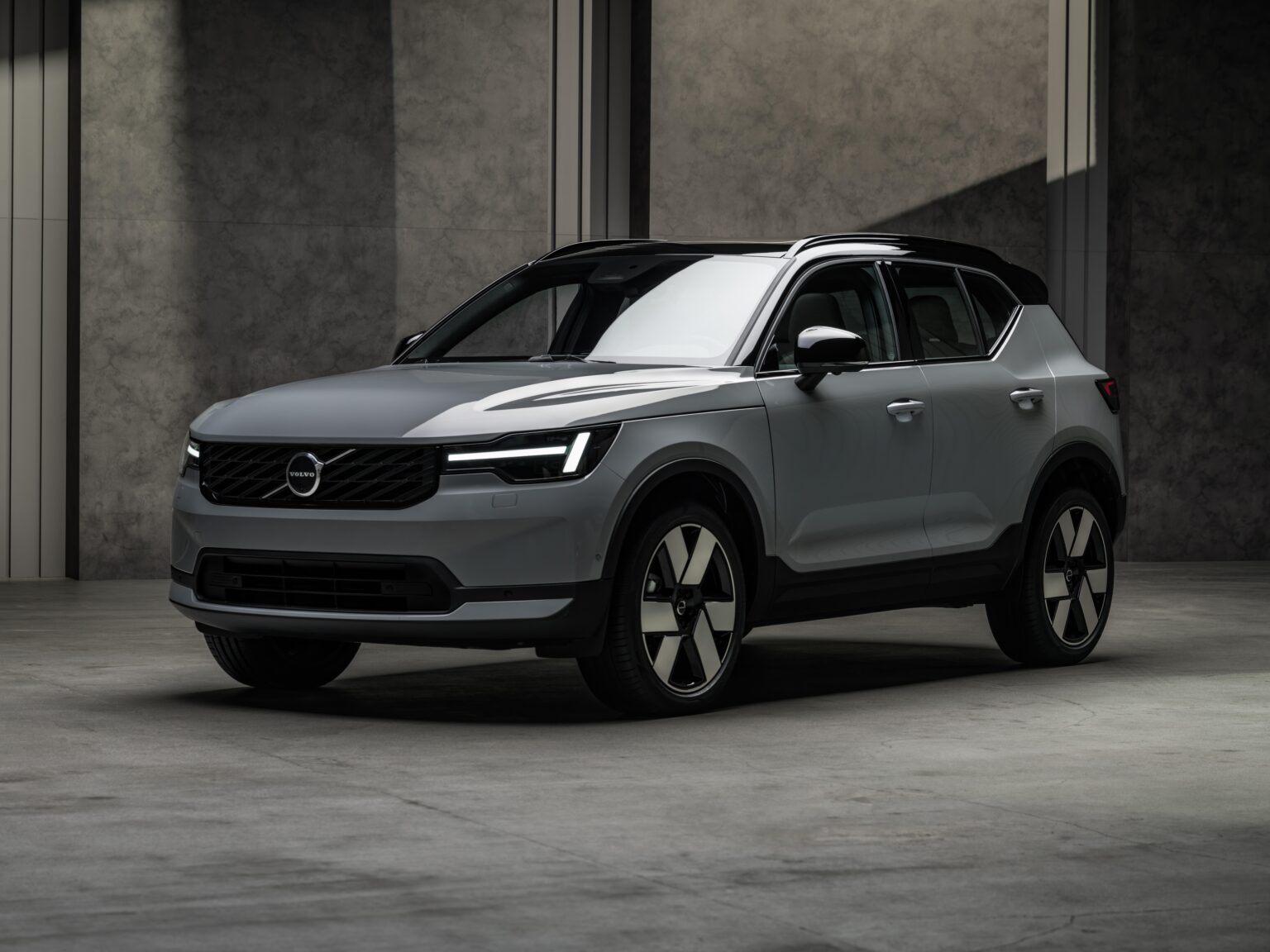
Visually, the crossover showcases a reinterpreted version of its iconic lighting signature alongside revised front fenders, a restyled hood, an altered bumper, and a modified front intake. Modifications extend to the back end, where designers overhauled the tailgate assembly, rear illumination, and bottom bumper. Rolling stock options include three freshly sculpted diamond-cut wheel styles, measuring 18, 19, or 20 inches in diameter. Together, these cosmetic adjustments deliver a modern aesthetic without abandoning the vehicle’s recognizable proportions.
Approximately three years after being pulled from production, the plug-in hybrid variant was officially reintroduced on September 10, 2026, with dealership deliveries planned for early next year. While fully electric EX40 models and mild hybrid editions remained available, this plug-in offering provides a middle ground for drivers seeking reduced petroleum consumption before committing to total electrification—a crucial step given the automaker’s relaxed timeline on its prior 2030 all-electric transition mandate. Nevertheless, the manufacturer withheld key technical specifications regarding battery capacity, electric travel distance, mechanical output, or engine selections. Buyers will have to evaluate whether these unannounced mechanicals can stand out within a highly competitive marketplace.