

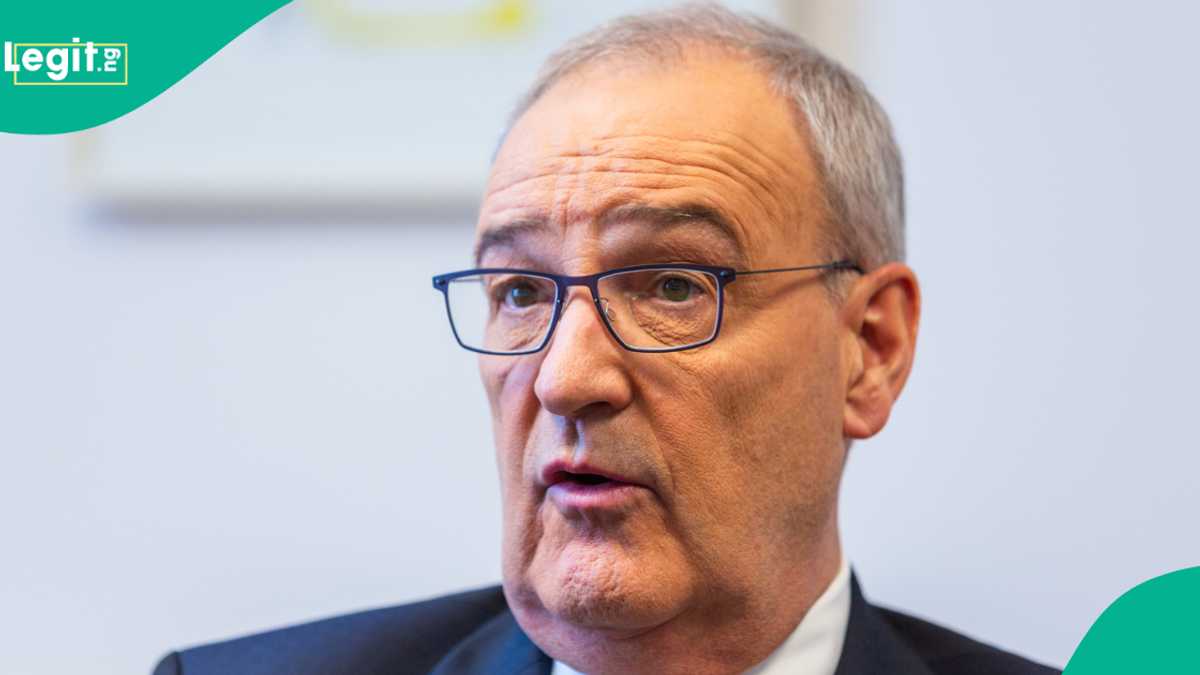

Switzerland’s State Secretariat for Migration published its federal fee structure for ordinary naturalisation Foreign spouses applying jointly face a CHF 150 federal fee, though cantonal and communal costs are added on top and vary by locationQualifying for ordinary naturalisation requires at least 10 years of residence in Switzerland and a permanent C permit, among other conditionsPAY ATTENTION: Mark Legit.ng as a preferred source, and our content will appear higher in your Google feed!Switzerland’s State Secretariat for Migration (SEM) has published its federal fee schedule for ordinary naturalisation, confirming that foreign spouses who apply jointly will pay CHF 150 at the federal level.The figure, released on July 31, 2026, covers only the federal portion of the application cost, specifically, SEM’s fee for deciding on the naturalisation permit. Switzerland states citizenship fee for foreign spouses. Photo credit: Swissinfo. Source: UGCFor context, an individual aged 18 or older applying alone pays CHF 100, while applicants under 18 pay CHF 50.Cantonal and Communal Fees Still ApplyThe CHF 150 is not the final amount a couple will pay to become Swiss.
Cantonal and communal fees are charged separately on top of the federal fee, and because cantonal law governs what those amounts are, the total cost will differ depending on where in Switzerland the applicant lives. SEM has not set a ceiling on these additional charges.PAY ATTENTION: From breaking news to viral moments. Follow Legit.ng on Instagram!Who Qualifies for Ordinary NaturalisationTo be eligible for ordinary naturalisation, a foreign national must have lived in Switzerland for at least ten years and hold a permanent residence permit, known as a C permit. Time spent in Switzerland between the ages of 8 and 18 counts double towards this total, though applicants must still show at least six years of actual physical residence.Periods spent on an asylum procedure (N permit) or a short-stay permit (L permit) do not count towards the residency requirement.
Cantonal law may also impose additional residence requirements of between two and five years within the specific commune and canton.Beyond the residency threshold, applicants must demonstrate successful integration and familiarity with Swiss life, and must not pose a threat to Switzerland’s internal or external security. The canton reviews these conditions and, if satisfied, forwards the file to SEM, which then issues a federal naturalisation licence. The relevant cantonal authority must then issue its own naturalisation decision within one year of that licence being granted. Once the cantonal decision becomes legally binding, the applicant acquires communal, cantonal, and Swiss federal citizenship simultaneously.Application forms are available from the naturalisation authority in the applicant’s area of residence, and submissions must also be made directly to that authority.Switzerland publishes guidance on professional work permitsMeanwhile, Legit.ng previously reported that Switzerland announced that citizens of 15 specific countries qualify for its young professional work permit programme.The permits allow young graduates and apprenticeship completers to work in Switzerland for up to 18 months.
Source: Legit.ng Ankrah Shalom (Human-Interest editor) Shalom Ankrah is a journalist and a Human Interest Editor at Legit.ng with over six years of experience. She has a degree in Mass communication from Alex Ekwueme University. Shalom has worked with reputable news organizations including The Tide and GistReel. Email: ankrah.shalom@corp.legit.ng.
Nigerian YouthsDiaspora Ashlyn castro Debra bollman Sam larry Cooking gas Uganda