

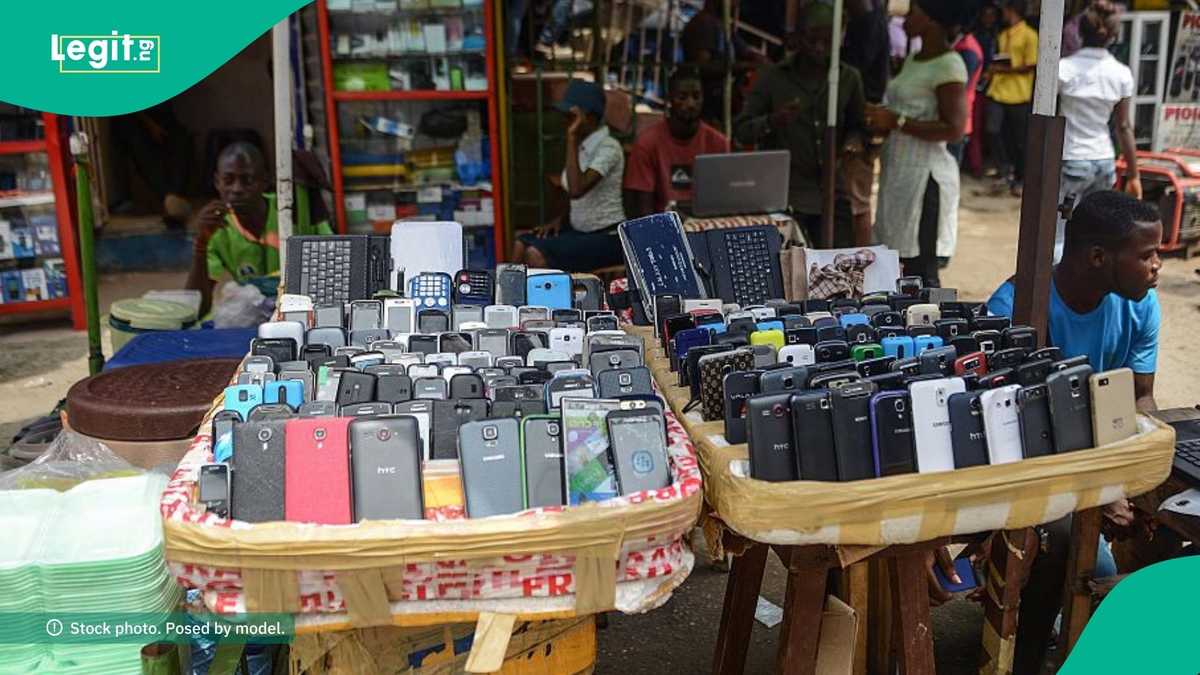

The NCC introduced a Device Management System requiring IMEI registration before phones can be sold or connected to local networksValidation fees under the new system range from about N670 for standard phones to over N3,700 for high-end devices, raising concerns among phone tradersPhone traders warned that some importers could use the new registration requirement to justify far larger price hikes than the fees themselves warrantPAY ATTENTION: Find it fast with our new search feature at Legit.ng! Legit.ng journalist Dave Ibemere has over a decade of experience in business journalism, with in-depth knowledge of the Nigerian economy, stocks, and general market trends.The Nigerian Communications Commission (NCC) has rolled out a Device Management System (DMS) that requires all SIM-enabled mobile devices to be registered using their International Mobile Equipment Identity (IMEI) numbers before they can be sold or activated on Nigerian networks, sparking concern among phone traders that retail prices could rise further in an already difficult market.Nigerians buying smartphones may face higher prices Photo: AFP Source: Getty ImagesUnder the new framework, licensed importers must obtain NCC type approval, upload device IMEI numbers and purchase invoices to the DMS portal, pay a validation fee and receive a pre-authorisation QR code.The Nigeria Customs Service then verifies the documents before approved devices are cleared for use on local networks.PAY ATTENTION: From breaking news to viral moments. Follow Legit.ng on Instagram!Edoyemi Ogoh, director of Technical Standards and Network Integrity at the NCC, said the central registry would strengthen compliance with the Commission’s type-approval requirements.The NCC also clarified that the DMS is built for device identification and regulatory compliance and does not give the Commission access to users’ personal communications or phone contents.What the validation fees could mean for pricesThe registration charges stand at about N670 per IMEI for standard and lower-cost phones and more than N3,700 for high-end devices.A senior official involved in DMS stakeholder engagements said the fee alone should not push retail prices up significantly, as importers rather than consumers bear the direct cost.However, the same official warned that some importers could use the new requirement to justify much larger increases, potentially adding N15,000 or N20,000 to a device that attracted a validation fee of just N3,700.The Sun reports that the Association of Mobile Phones and Allied Products Traders of Nigeria said it does not oppose the DMS itself but objected to the financial obligations tied to registering newly imported devices.Their concern comes as Nigerians already contend with higher phone prices driven by inflation, foreign exchange volatility and shipping costs.Budget smartphones that once sold for N50,000 to N100,000 now commonly fetch N75,000 to N150,000, while mid-range devices can cost N250,000 to N500,000 and premium models can exceed N1 million.The new NCC device management system could have implications for phone importers, traders, repairers and consumers. Photo: AFP Source: Getty ImagesSmaller traders and used phones face uncertaintyThe DMS is also expected to affect smaller importers, used-phone dealers, refurbishers and repair technicians.By linking IMEI records with import documentation and network access, the system will make it easier for the NCC to flag stolen, cloned, counterfeit and non-compliant devices.Stakeholders have, however, raised questions about how the system will handle legitimate used and repaired phones, particularly where repairs alter a device’s technical identity.NCC extends registration deadlineEarlier, Legit.ng reported that the NCC extended the deadline for businesses to register existing stock on the DMS from September 7 to October 6, 2026.The DMS is being introduced as part of efforts to tackle phone theft, counterfeiting and the circulation of improperly registered devices in Nigeria.The NCC said some industry players were unable to complete registration because they did not have the required licences or certifications.
Source: Legit.ng Dave Ibemere (Senior Business Editor) Dave Ibemere is a senior business editor at Legit.ng. He is a financial journalist with over a decade of experience in print and online media. He also holds a Master’s degree from the University of Lagos. Fellow, MTN Pan African Media Innovation(2026), Member of the Nigerian Institute of Public Relations and other media think tank groups.
He previously worked with The Guardian, BusinessDay, and headed the business desk at Ripples Nigeria. Email: dave.ibemere@corp.legit.ng. Us embassy Theodore barrett Jamb Saudi arabia Multichoice